
Phytonic Botanicals
Biologically high-value , forest derived, phytonic botanicals with bioactive plant constituents
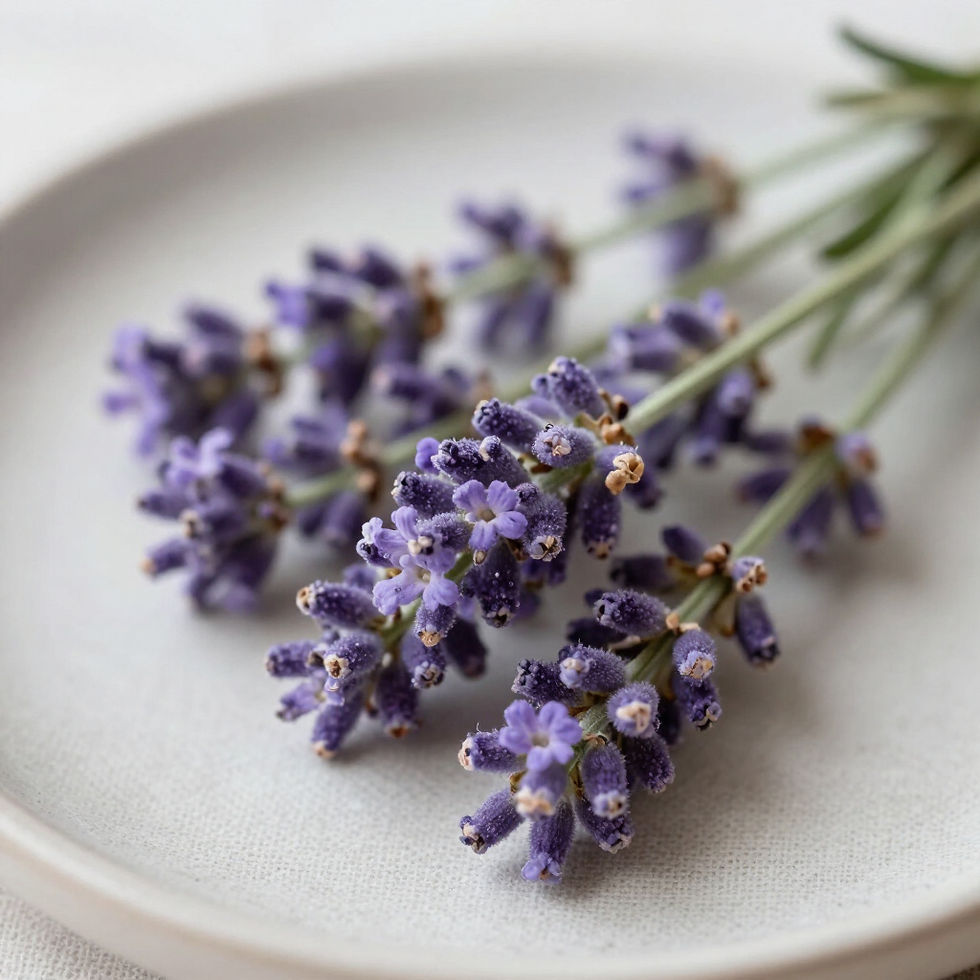
Lavender
Lavender (Lavandula) is a great example of a phytonic botanical, it is characterized by a complex volatile oil composition, primarily featuring the esters Linalyl acetate and Linalool, alongside Perillyl alcohol and Geraniol. Historically, these botanical constituents have been utilized for their distinct floral aroma and integrated into ethnobotanical practices focused on supporting a restful environment and general wellness through aromatherapy and topical applications.
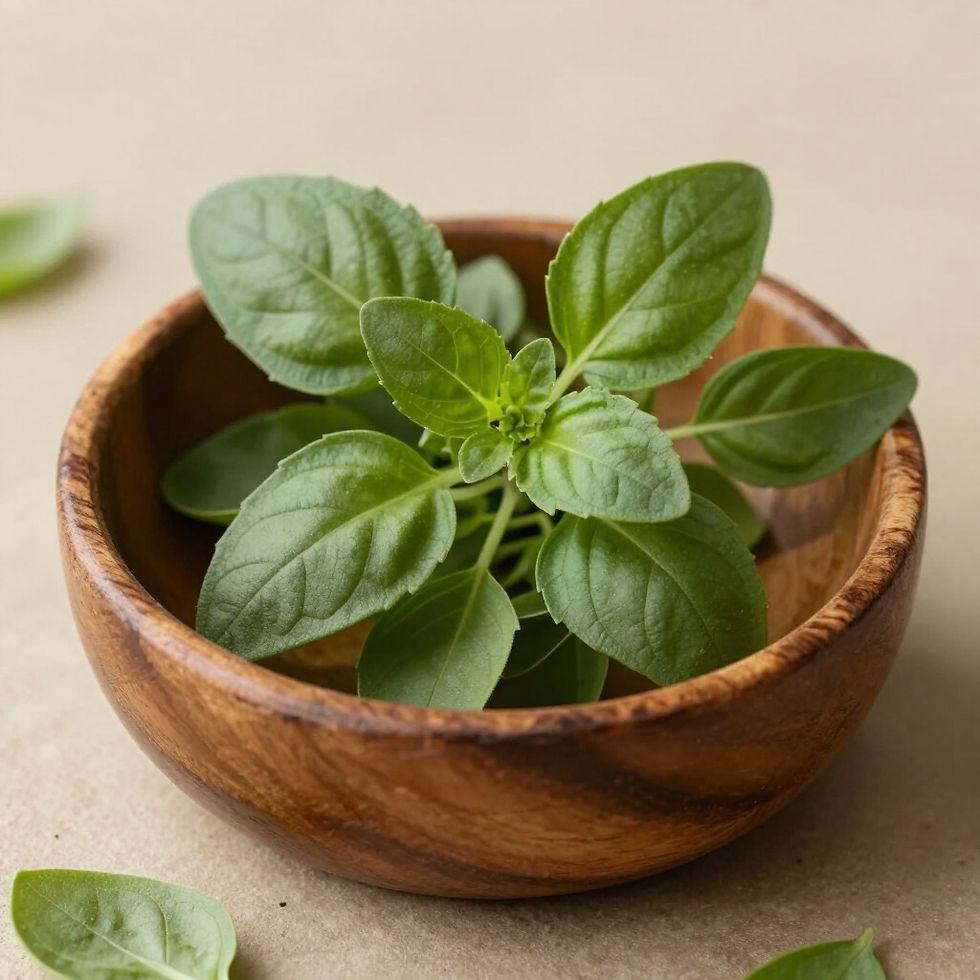
Oregano
Oregano is a source of Carvacrol, a phenolic monoterpenoid, alongside Cymene and Caryophyllene. Historically utilized in traditional herbal practices, these sessions focus on the plant's diverse chemical profile, which is currently studied for its interactions with various biological pathways and potential roles in supporting cellular health and neurological homeostasis.

Rosemary
Rosemary comprises bioactive terpenes such as d-Limonene and Pinene. Research indicates these constituents support oxidative stability, cognitive function, and exhibit microbial resistance.
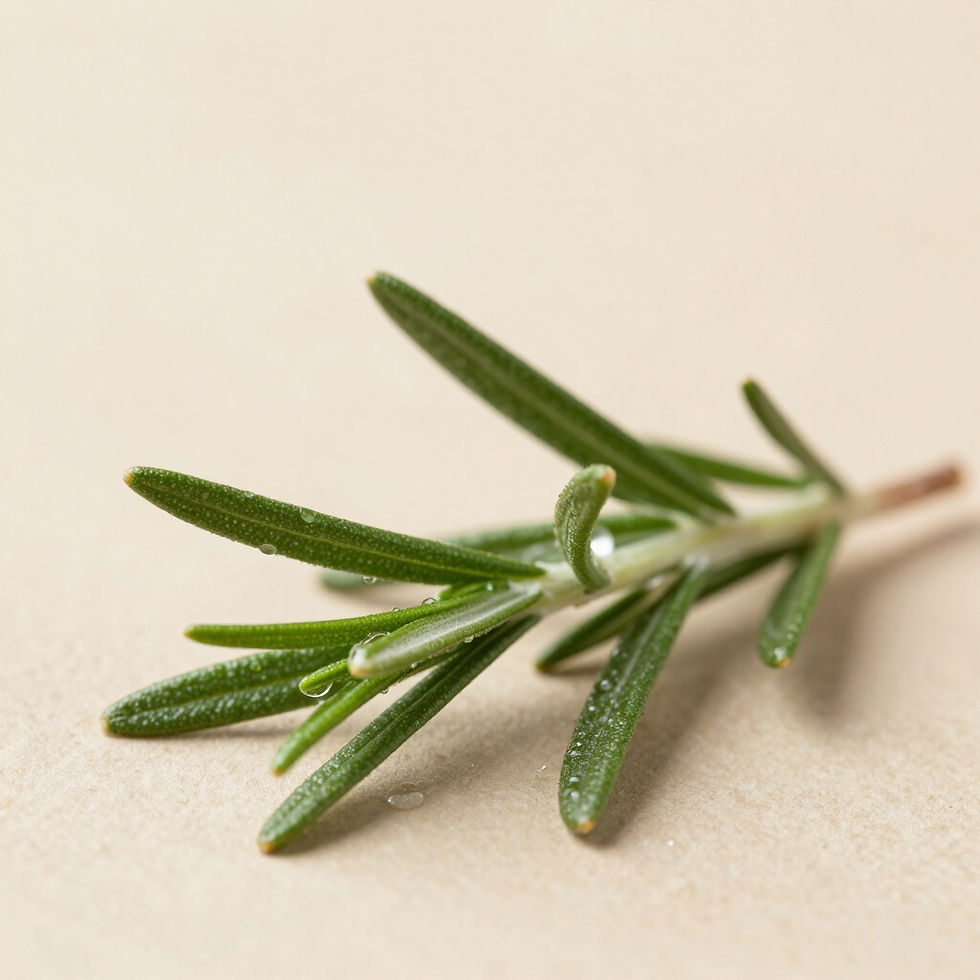
Dill
Dill (Anethum graveolens) is a source of flavonoids, B-complex vitamins, and specific monoterpenes. Historically, its seeds and foliage have been utilized in ethnobotanical traditions to support gastrointestinal systems. Of significant scientific interest is its high concentration of d-Limonene, a terpene currently researched for its role in oxidative stress, inflammatory pathways, and cellular homeostasis.
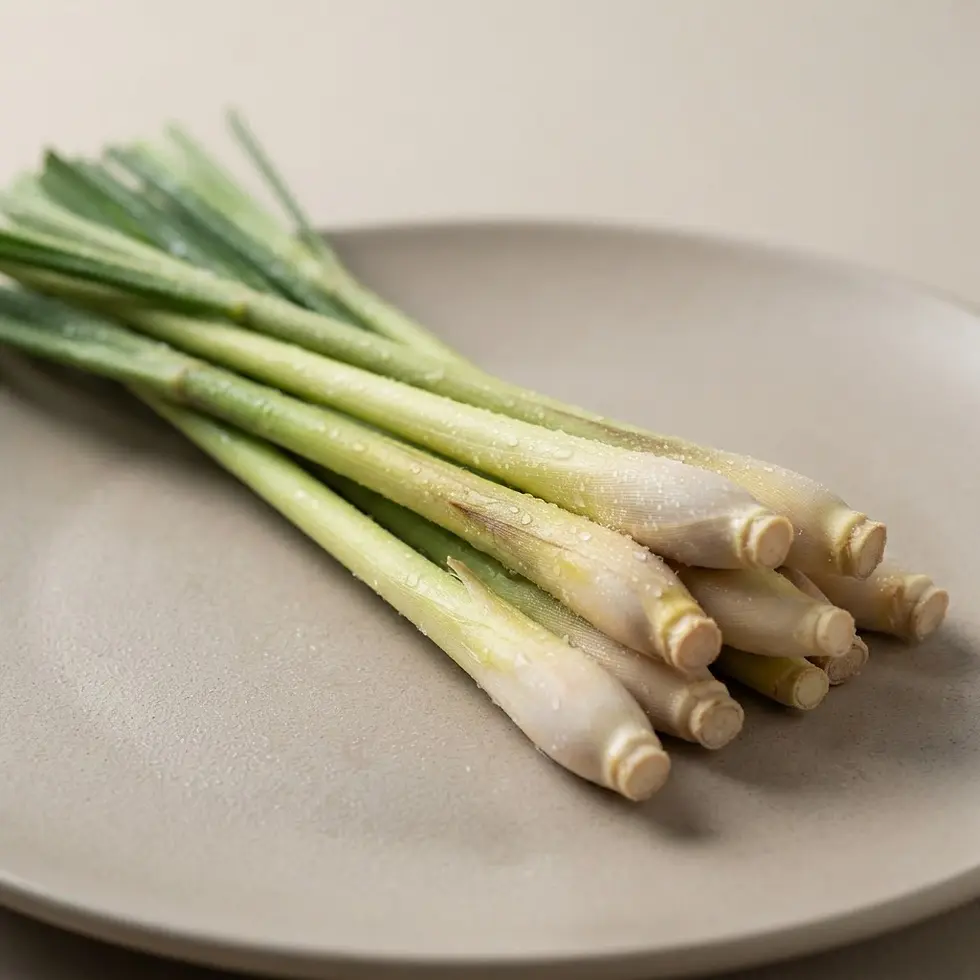
Lemongrass
Lemongrass (Cymbopogon) is characterized by a high concentration of the acyclic monoterpene Citral, alongside the significant presence of Myrcene. Its historical application in ethnobotanical traditions often involves aromatic infusions geared toward gastrointestinal comfort and physical tranquility. Modern research focuses on its specific phytochemical profile—particularly Myrcene and Geraniol—and their varied interactions within cellular signaling and homeostatic pathways.
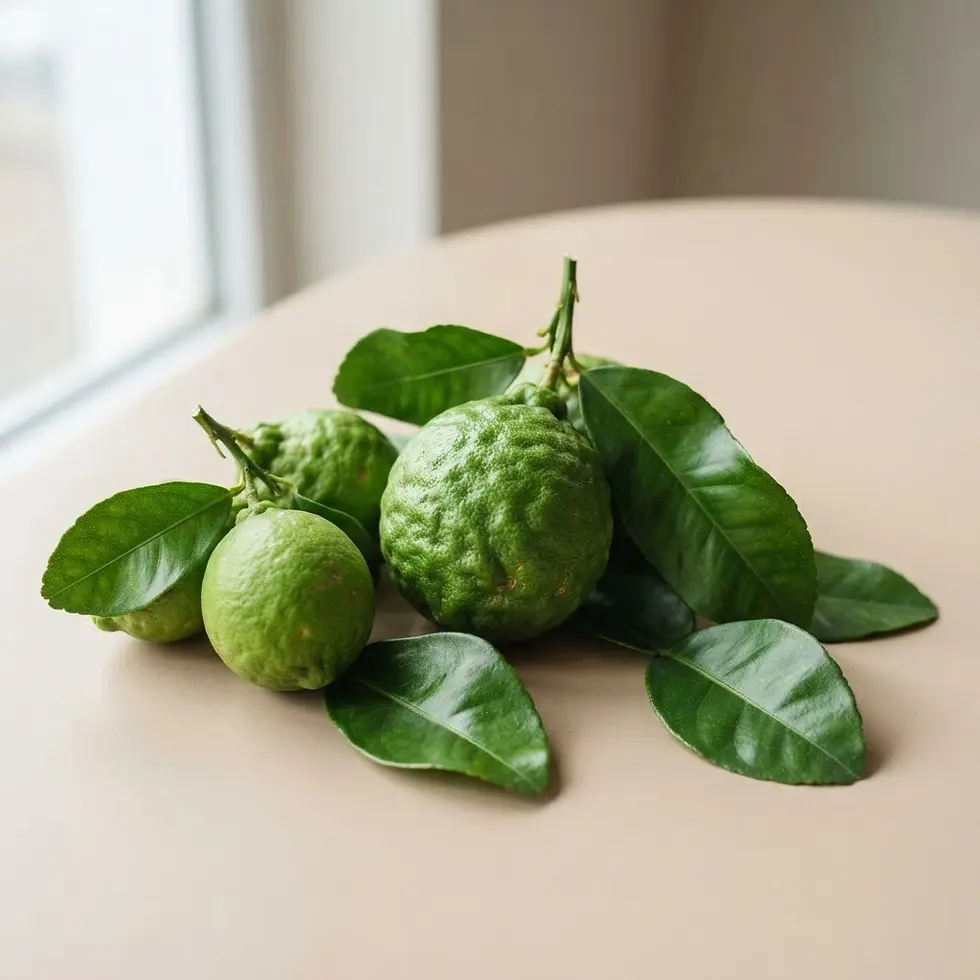
Bergamot
Bergamot (Citrus bergamia) is distinguished by a sophisticated aromatic profile comprising floral and citrus notes. Its chemical composition is notably rich in Linalool and d-Limonene, volatile organic compounds studied for their presence in environments associated with physiological relaxation. Ethnobotanical history highlights its use in traditional applications aimed at emotional stabilization and general antioxidant support. Red Sky Phytonics focuses on three specific phenotypes: Monarda citriodora (Lemon Bergamot); Bergamot Mint, a hybrid characterized by high d-Limonene concentrations; and Monarda fistulosa (Wild Bergamot), which features a diverse terpenoid profile including Thymol, Geraniol, Carvacrol, p-Cymene, and Alpha-Terpinene.
Peppermint
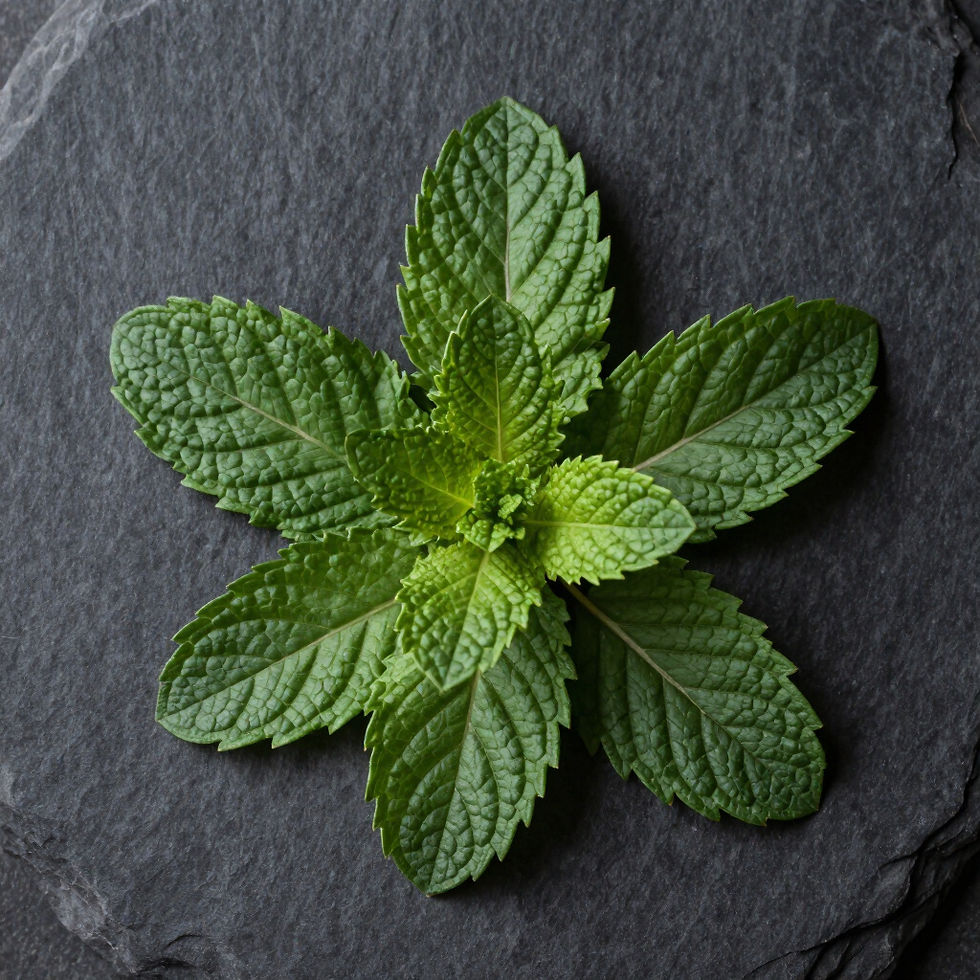
Peppermint (Mentha x piperita) features a profile rich in monoterpenes, specifically menthol and menthone. Historically utilized in ethnobotanical traditions for gastrointestinal and sensory applications, modern analysis identifies secondary metabolites such as d-limonene and perillyl alcohol, which are currently studied for their diverse biochemical properties and roles in oxidative and cellular homeostasis.
Lemon Balm
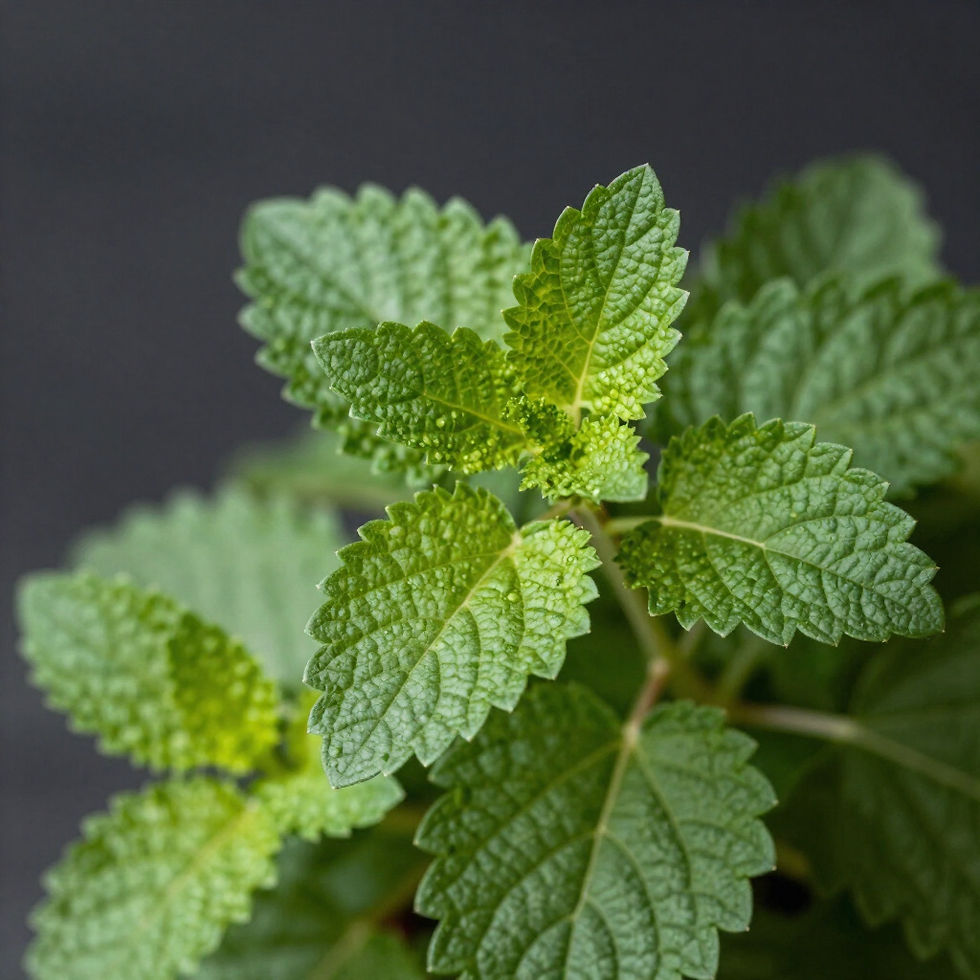
Melissa officinalis, commonly known as Lemon Balm, displays a distinct olfactory profile characterized by bright, lemon-like terpene emissions. Its chemical matrix features key volatile compounds including Citral and Geranial, alongside high concentrations of the sesquiterpene Beta-caryophyllene. Ethnobotanical records reflect its traditional use in managing environmental stressors and facilitating cognitive focus. Current research examines these phytochemicals for their potential role in oxidative stability and neuroprotection, emphasizing its legacy in botanical science.
Tea Tree
Tea Tree (Melaleuca alternifolia) is defined by its complex chemical profile, dominated by the terpene Terpinen-4-ol and Gamma-terpinene. Historically used in Australian indigenous ethnobotany, this species is noted for its distinctive aroma and bioactive secondary metabolites. Current research examines these constituents for their role in surface cleansing and their interaction with integumentary and microbial systems, maintaining the plant's status as a key botanical specimen in modern phytochemical study.


Citrus
Citrus species like lemon and lime are essential to our controlled environment, where their peels serve as the primary source for distilling high-purity d-limonene. The aromatic profile is defined by bright, volatile monoterpenoids that have been used in traditional ethnobotany for sensory revitalization. Scientifically, these constituents are being studied for their roles in oxidative stability and cellular signaling pathways.
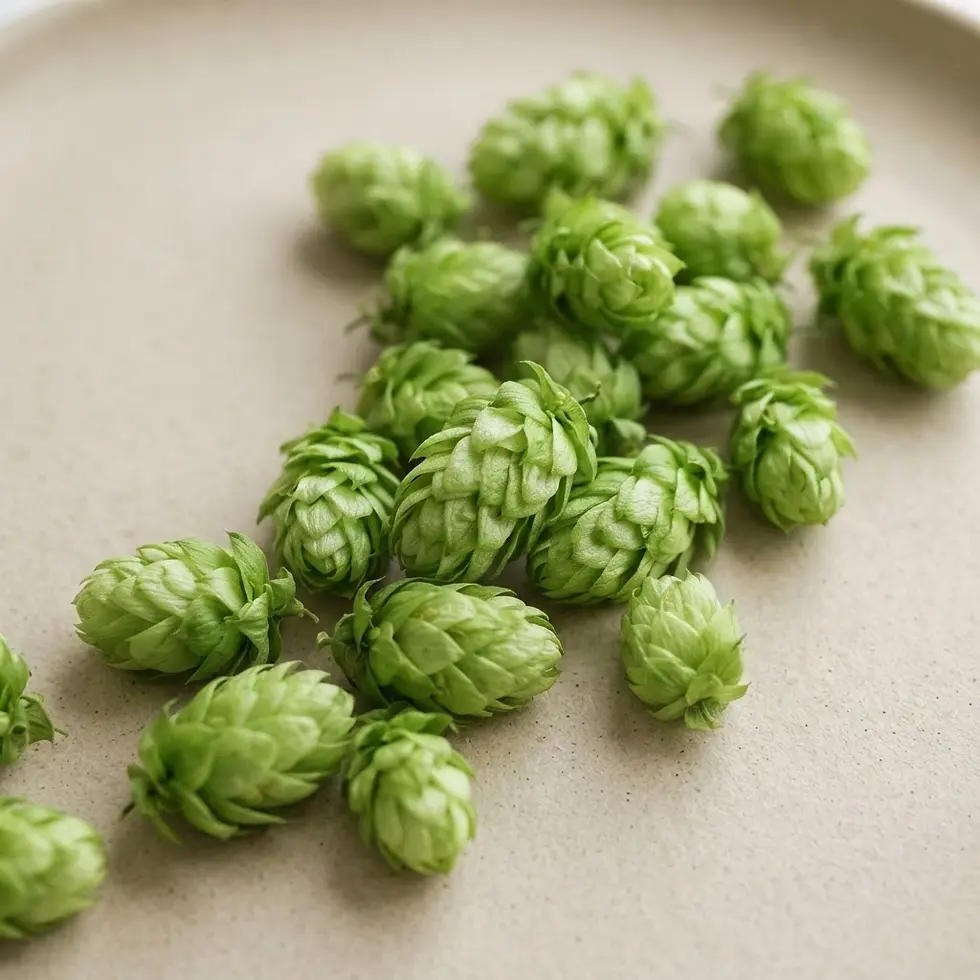
Hop Cones
Hop cones (Humulus lupulus) are identified by an extensive secondary metabolite profile, specifically emphasizing the presence of Pinene, d-Limonene, and p-Cymene, alongside Perillyl alcohol and Beta-caryophyllene. These constituents are currently the subject of scientific inquiry regarding their roles in oxidative pathways and natural biochemical stability. Ethnobotanically, hops have a long history of use in traditional preparations aimed at supporting sleep hygiene and physiological relaxation. Situated in Yakima, a premier global region for hop cultivation, we source diverse varietals for phytochemical analysis.
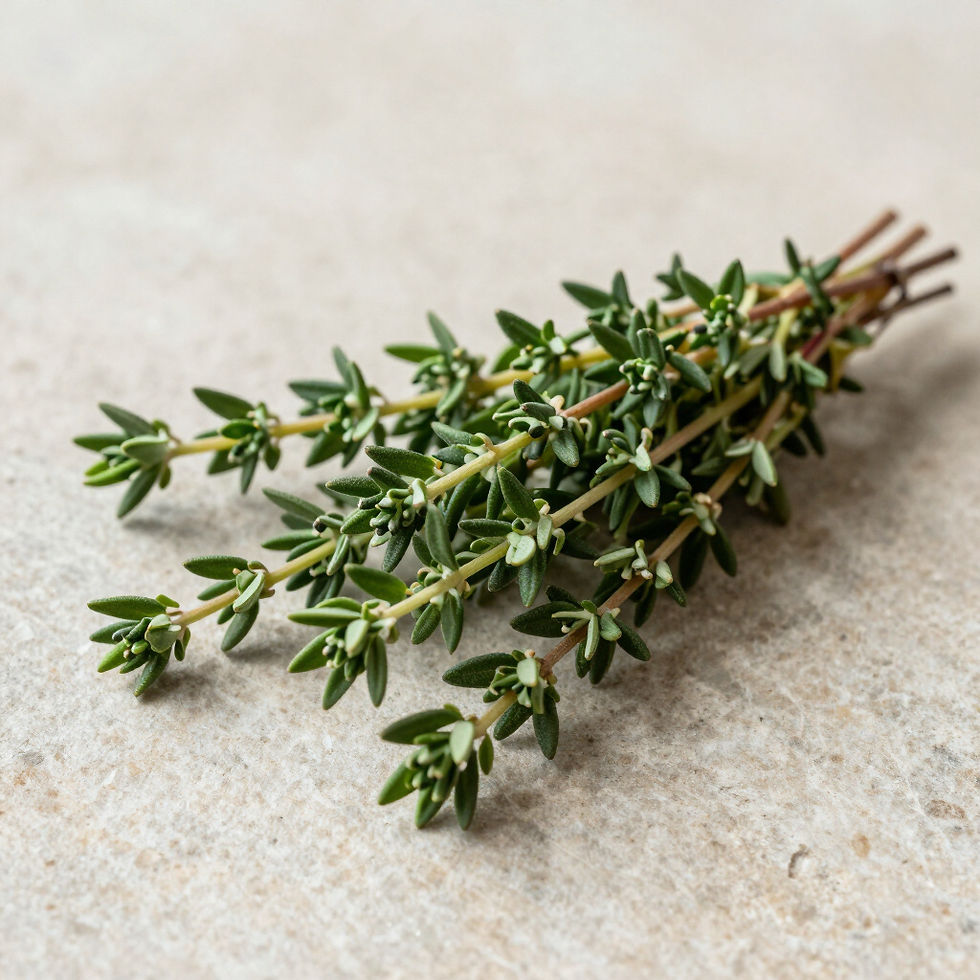
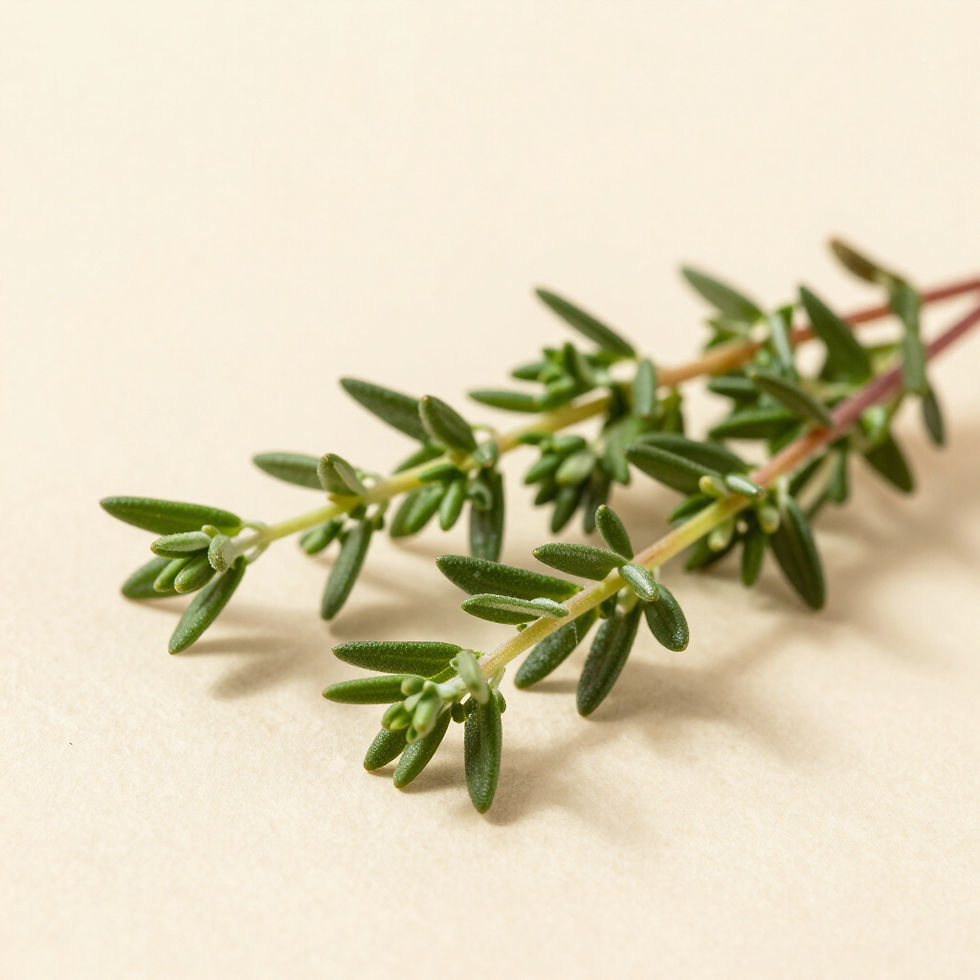
Thyme
Thyme (Thymus vulgaris) is characterized by a high concentration of the phenolic monoterpene Thymol, alongside p-Cymene and d-Limonene. Historically, its volatile oils have been central to ethnobotanical traditions involving respiratory and immune support. Scientific analysis currently explores these secondary metabolites for their roles in oxidative stability, microbial resistance, and interaction with various neuroprotective and inflammatory signaling pathways.
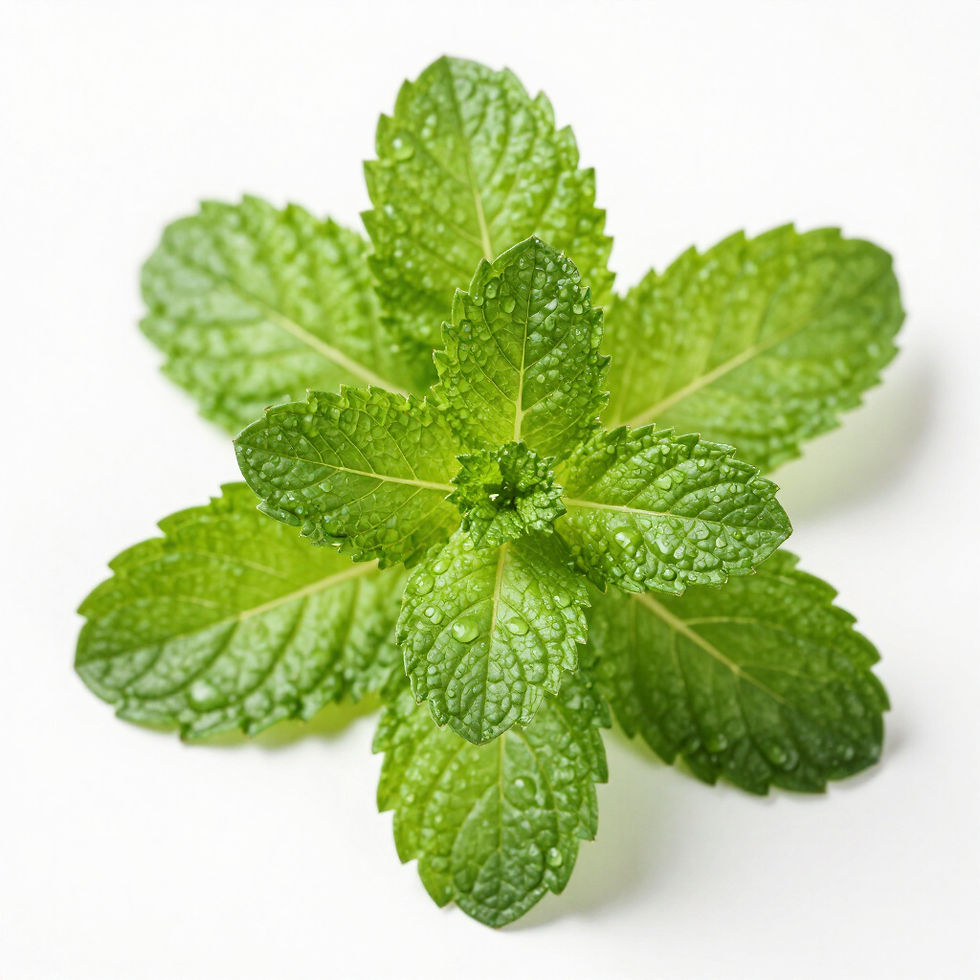
Peppermint
Peppermint (Mentha x piperita) foliage contains a high concentration of the cyclic monoterpene Menthol, which stimulates TRPM8 sensory receptors. Ethnobotanical traditions have historically utilized these leaves for gastrointestinal support and olfactory stimulation. Scientifically, it is recognized for harboring secondary metabolites, specifically d-Limonene and Perillyl alcohol, which are currently analyzed for their potential involvement in pathways related to oxidative stress and cellular signaling.

Sage
Sage (Salvia officinalis) contains a complex matrix of bioactive constituents, notably the sesquiterpene Beta-caryophyllene, alongside Thujone and Rosmarinic acid. Historically utilized in ethnobotanical traditions for cognitive support and oral hygiene, modern research focuses on its phytochemical interaction with inflammatory pathways and oxidative stability within neurological systems.
Chamomile
Chamomile (Matricaria chamomilla) is distinguished by an aromatic profile defined by sweet, herbaceous notes. Its chemical matrix features key sesquiterpenes, specifically alpha-bisabolol and chamazulene, alongside bioflavonoids such as apigenin and quercetin. Ethnobotanical records reflect its traditional use in various preparations aimed at facilitating rest and gastrointestinal comfort. Current research examines these phytochemicals for their potential role in maintaining oxidative stability and supporting homeostatic signaling pathways, underscoring its historical value in botanical science.
Basil
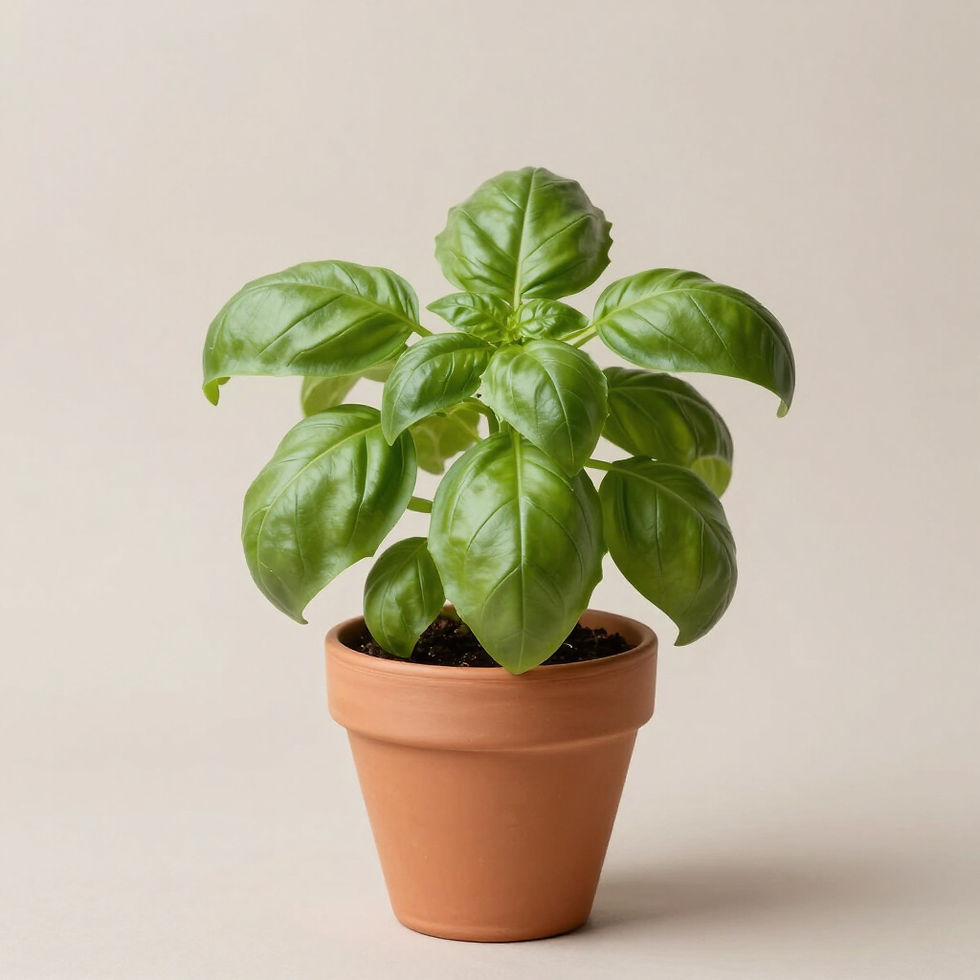
Basil (Ocimum basilicum) produces a diverse phytochemical profile, notably high in Pinene, Myrcene, and d-Limonene. Historically utilized in ethnobotanical traditions for cardiovascular and integumentary support, its volatile oils and phenolic compounds are currently analyzed for their roles in oxidative stability and microbial resistance. Scientific inquiry focuses on how these specific monoterpenoids interact with neuroprotective and inflammatory signaling pathways to maintain cellular homeostasis.

Ginger
Ginger (Zingiber officinale) is a botanical rhizome recognized for its complex phytochemical profile, which has been utilized in traditional ethnobotanical practices for centuries. Its chemical matrix is notably rich in sesquiterpenes and monoterpenes, including zingiberene, β-bisabolene, α-farnesene, and citral. Historically, these constituents were integrated into herbal traditions focused on gastrointestinal maintenance and sensory stimulation. Current scientific research focuses on the plant's metabolic pathways, exploring the interaction between its volatile compounds and biological markers associated with oxidative stress, cellular homeostasis, and inflammatory signaling structures.